
Does Steam Cleaner Kill Viruses?
Although disinfectants are easier to find in stores and online than they were during the pandemic, Does Steam Cleaner Kill Viruses? it’s still impossible to decide whether to use your regular cleaner or spray out when you really need to stock up.
In case you didn’t stock up on cleaning sprays and bleach wipes prior to the big panic buying rush, you might have already searched for “Does Vinegar Kill Viruses?” But what about steam? Steam is also an alternative option that has circulated for some time now. In other words, we’re referring to the vapor that can cook broccoli and get wrinkles out of clothes. Do viruses die from steam?
A steamer, according to some companies, can kill up to 99.9 percent of pathogens on soft surfaces, such as upholstery – a claim that many manufacturers of bleach wipes and disinfectant sprays also make.
Despite the fact that some companies don’t go as far as saying steam can kill viruses on hard surfaces or remove COVID-19 (aka novel coronavirus), one does have to ask if steam kills viruses enough to use as a backup virus protection tool?
In the absence of disinfectants or even if you prefer to clean your place without chemicals, a steamer seems like a great cleaning solution.
The steam generated by steam cleaners and steam cleaning kills most viruses and bacteria; however, there is a catch. It must be hot enough for the steam to be effective.
With a temperature of between 175 and 212 degrees Fahrenheit, steam disinfects and kills 99% of bacteria, viruses, and more. Of course, increasing the heating temperature will have the best results.
Why do steam cleaners work so well?
Traditional manual cleaning methods with detergents are less hygienic and offer less cleaning performance than steam cleaning. Steam cleaning relies on temperature and steam to perform well. The device heats water to boiling point, causing hot steam to get produced. The steam then leaves the accessories (floor nozzle, hand nozzle, etc.) at about 100 degrees Celsius.
The steam penetrates all cracks and pores and also cleans places where ordinary cleaning textiles cannot reach. Dirt that is hard to remove is dislodged in a matter of seconds, and surfaces are left clean for a longer period of time.
Important tips for the application of steam
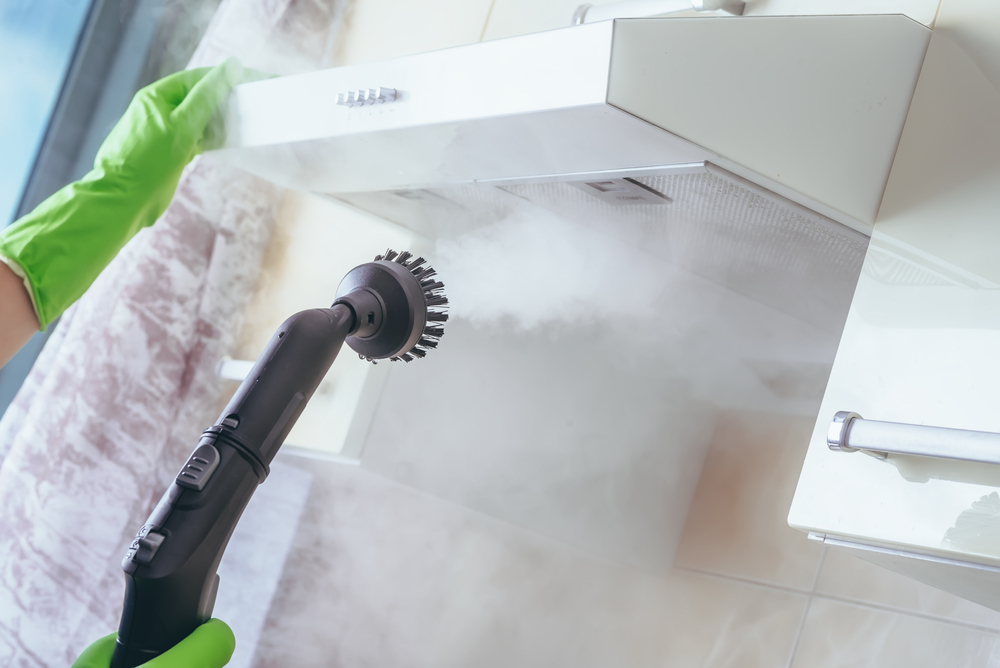
The steam emerges from the hot water at around 100°C, and it cools down with increasing distance from the source. Therefore, it is necessary to guide the nozzle directly over the surface to clean them effectively. A sufficient steaming period should also be ensured of 30 seconds on one area should be chosen. Microfibre pads used for this purpose need to be washed at a minimum of 60 °C to ensure they are cleaned effectively.
How Does Steam Cleaning Kill Germs and Viruses?
Steam cleaners are relatively simple appliances. A steam cleaner can transform ordinary tap water into a powerful natural cleaning solution in just a few steps.
Step 1: Boiling water is first forced through the cleaner’s nozzle, brush, or other attachment and then forced out as pressurized steam.
Step 2: Activate the vapor, which kills viruses and germs, as well as loosens dirt and grime on your surfaces. Moisture dries rapidly at high temperatures and does not require suction.
What are the other benefits of steam cleaners?
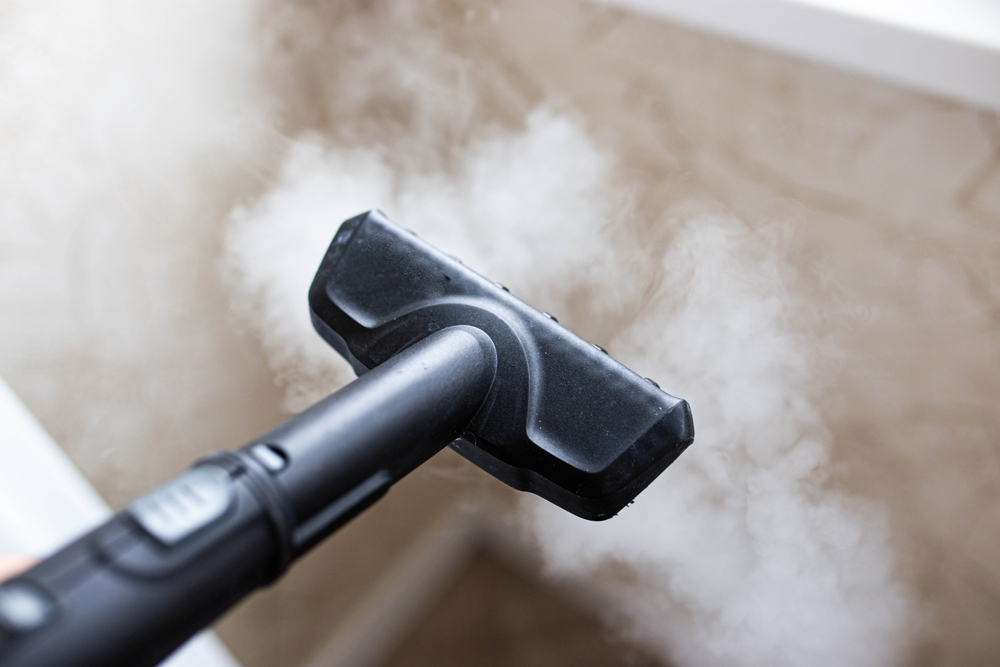
Utilizing the power of steam cleaning has a number of benefits. Cleaning with steam is a great way to disinfect and kill 99.9% of bacteria and viruses without chemicals. From the little ones to the sleeping turtle, everyone in your household can benefit from non toxic cleaning. With its services, you never have to worry about toxic chemicals accidentally falling into your pet’s bowls or your baby rolling around on the floor. The whole family can benefit from steam cleaning.
In the United States, allergies affect about 50 million people, according to the Asthma & Allergy Foundation of America. Many allergy symptoms are caused by indoor air pollutants. It is fortunately possible to remove common pollutants and allergens most effectively with steam cleaning.
As a last point, Steam Vapor is 94% DRY, meaning that there is a minimal amount of water left on your surfaces. The sanitizing, cleaning, and maintaining of your floors, tiles, grout, ovens, and many other items that must be cleaned and maintained can be done by our dry steam vapor cleaning system.
Leave a Reply